There is no decided method for storing basil. People swear by different methods, so we’ve provided two options, both of which have proven results.
Andy Lyons/Meredith
How to Store Basil In a Bouquet
As with many fresh herbs, it’s helpful to think of them as cut flowers. Any leafy herb with a soft stem, including basil, can be stored as you would a bouquet of flowers — in water. Here’s how:
Trim the stems, removing the last inch or so. Place basil in a jar filled with a few inches of water.
Loosely cover the tops of the basil with a plastic bag (unfortunately, your basil bouquet won’t make a beautiful centerpiece). A thin, produce bag works great for this.
Leave the basil bouquet out at room temperature, replacing the water every few days. Whatever you do, don’t refrigerate it. Exposed basil doesn’t do well in the cold. Once you’re ready to enjoy, wash and dry the leaves.
Fresh basil will last one to two weeks when stored this way.
How to Store Basil In a Plastic Bag
Another popular method for storing basil is the plastic bag method (it sounds far less exciting than “basil bouquet,” I know). If you prefer to keep your basil stored in the fridge like salad greens, this method protects it from the harsh elements.
Go ahead and remove the leaves from the stems. Wash and dry the leaves, using either a paper towel or a salad spinner.
Wrap the basil leaves in a dry paper towel and place inside a plastic bag. Seal and store for one to two weeks.
Carson Downing/Meredith
How to Preserve Basil
If you don’t plan to use your basil within one to two weeks, there are two methods for long term preservation: freezing and drying.
How to Freeze Basil
Because basil isn’t as hardy as herbs like rosemary or mint, it does best when frozen as a paste. Here’s how:
Rinse the herbs. Then blanch them by dipping them in a pot of boiling water for about 10 seconds (using tongs is the best way to do this). Then shock them by immediately plunging them into a bowl of ice water.
Dry with a paper towel or salad spinner. Remove the stems.
Add to a food processor along with just enough olive oil to create a sort of pesto-like paste. Freeze in an ice tray for individually-portioned servings.
To use frozen basil, add it to hot dishes straight from frozen, or thaw and drain before adding to cold dishes. Frozen basil will last for up to three months.
How to Dry Basil
You never know how long store-bought dried basil has been sitting on the shelf, so drying your own is going to be the fresher (and cheaper) option. Here’s how:
Wash and thoroughly dry the basil. Remove the stems.
Set your oven to 200 degrees F, or the lowest temperature. Add the basil to a parchment-lined baking sheet on the upper rack of the oven. Bake for two to four hours, or until dry and crumbly.
Allow the basil to cool completely, crumble, and store in an airtight container for up to a year.
As with all dried herbs, the ratio is about one teaspoon dried for one tablespoon fresh.
There are many different types of meat, and they can be surprisingly different in their nutritional properties.
Generally speaking, meat offers an excellent source of protein and provides a good range of essential nutrients. In this regard, it tends to be a better source of B vitamins than most other types of food.
This article reviews the nutritional profile and potential pros and cons of thirteen common varieties of meat.
1. Pork
Pork is one of the most popular forms of meat in the world.
Despite some confusion on the issue, pork is classed as red meat rather than white. This is because it contains a large amount of myoglobin, a protein responsible for the red color of meat.
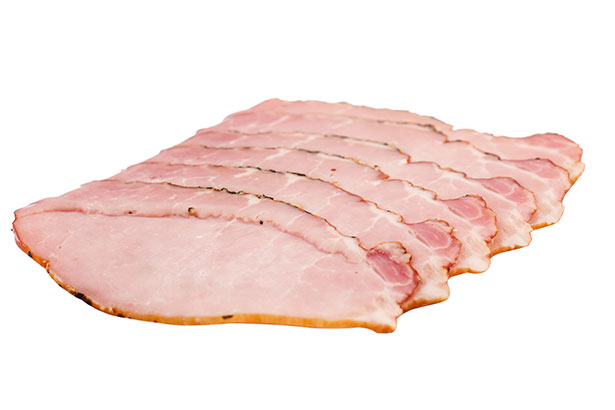
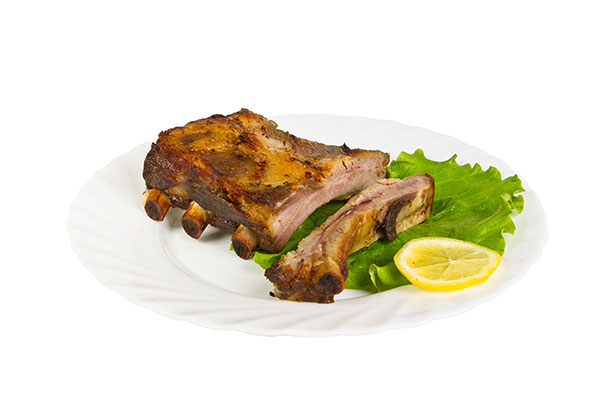
In fact, there are so many different cuts of pork, and a variety of meat products use it such as;
Based on data provided by the USDA FoodCentral Database, here is the typical nutritional profile for ground pork meat per 100g (1).
(Note: Different cuts of meat will vary in their nutrient content, but this provides a general idea of each meat, and the cuts are as close a match as possible.)
Nutrient
Amount
Calories
263 kcal
Carbohydrate
0 g
Protein
16.9 g
Fat
21 g
– Saturated
7.9 g
– Monounsaturated
9.4 g
– Polyunsaturated
1.9 g
– Omega-3
70 mg
– Omega-6
1670 mg
Omega 6 to 3 Ratio
23.8 : 1
Vitamin A
0
Vitamin C
1% DV
Vitamin D
–
Vitamin E
–
Vitamin K
–
Thiamin
49% DV
Riboflavin
14% DV
Niacin
22% DV
Vitamin B6
19% DV
Folate
1% DV
Vitamin B12
12% DV
Pantothenic Acid
7% DV
Calcium
1% DV
Iron
5% DV
Magnesium
5% DV
Phosphorus
18% DV
Potassium
8% DV
Sodium
2% DV
Zinc
15% DV
Copper
2% DV
Manganese
1% DV
Selenium
35% DV
It is worth noting that the nutritional characteristics of pork can vary from one cut to another. To see the nutritional data for every popular pork cut, you can find them all in this guide:
Pork is a particularly significant source of thiamin (vitamin B1). The content of this important vitamin is much higher than in other meat and plays an essential role in glucose metabolism and protecting cardiac health (2, 3).
Much cheaper than most other meats.
Pork contains decent amounts of selenium and zinc, which are responsible for boosting the immune system, defending against oxidative stress, and optimal hormone production (4, 5).
Concerns
Pork is more susceptible to bacterial contamination and food-borne illnesses than other meat; ensuring pork is thoroughly cooked is essential (6, 7).
2. Beef
When most people think of red meat, they probably imagine beef.
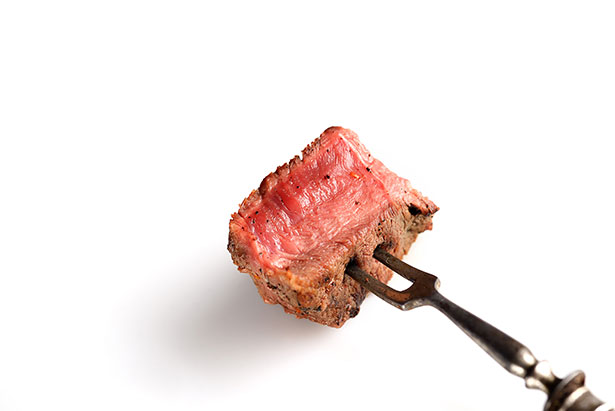
There are many different beef products and cuts of beef, ranging from hamburgers to ribeye steaks.
Nutrition Facts
Here are the nutrient values for ground beef per 100 grams (8).
Nutrient
Amount
Calories
254 kcal
Carbohydrate
0 g
Protein
17.2 g
Fat
20 g
– Saturated
7.7 g
– Monounsaturated
8.8 g
– Polyunsaturated
0.5 g
– Omega-3
48 mg
– Omega-6
435 mg
Omega 6 to 3 Ratio
9 : 1
Vitamin A
0% DV
Vitamin C
0% DV
Vitamin D
–
Vitamin E
2%
Vitamin K
2%
Thiamin
3% DV
Riboflavin
9% DV
Niacin
21% DV
Vitamin B6
16% DV
Folate
2% DV
Vitamin B12
36% DV
Pantothenic Acid
5% DV
Calcium
2% DV
Iron
11% DV
Magnesium
4% DV
Phosphorus
16% DV
Potassium
8% DV
Sodium
3% DV
Zinc
28% DV
Copper
3% DV
Manganese
1% DV
Selenium
21% DV
It is also important to note that the nutritional properties of beef can vary considerably depending on the fat content.
For example, a ribeye steak will be much higher in fat (and calories) than a lean cut of meat.
To gain a better idea of how different cuts of beef compare, see the nutrition facts for every popular cut of beef here:
Beef contributes large amounts of iron, zinc, and vitamin B12 to the average person’s diet (9).
Interestingly, the main fatty acid in beef is none other than oleic acid. If you haven’t heard of it before, then it’s also the main fat in olive oil (and known as “heart healthy”) (10, 11).
Beef contains a wide variety of potentially beneficial compounds that include creatine, conjugated linoleic acid (CLA), and glutathione (12, 13, 14).
Concerns
Excessive beef consumption can increase circulating iron to unhealthy levels in some individuals. These high levels can increase the risk of various cancers and cardiovascular disease. This risk is especially the case in those with a genetic mutation called hemochromatosis, which causes over-absorption of heme iron (15, 16).
Overcooking beef (burning) can lead to the formation of polycyclic aromatic hydrocarbons (PAHs) and heterocyclic amines (HCAs). Both of these compounds are carcinogens, but we can minimize their risks by sensibly cooking meat (17, 18).
Both lamb and mutton are very similar types of meat, with one fundamental difference;
Lamb is from a sheep less than one-year-old
Mutton is the meat of an adult sheep
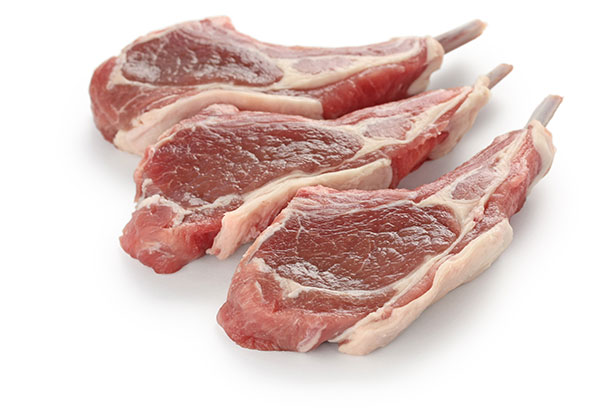
Just like beef and pork, there are a variety of popular lamb cuts — perhaps lamb chops are the most popular.
Nutrition Facts
Per 100g, the nutritional profile of ground lamb meat looks something like this (19);
Nutrient
Amount
Calories
282 kcal
Carbohydrate
0 g
Protein
16.6 g
Fat
23.4 g
– Saturated
10.2 g
– Monounsaturated
9.6 g
– Polyunsaturated
1.9 g
– Omega-3
420 mg
– Omega-6
1360 mg
Omega 6 to 3 Ratio
3.2 : 1
Vitamin A
0% DV
Vitamin C
0% DV
Vitamin D
–
Vitamin E
1% DV
Vitamin K
4% DV
Thiamin
7% DV
Riboflavin
12% DV
Niacin
30% DV
Vitamin B6
6% DV
Folate
5% DV
Vitamin B12
39% DV
Pantothenic Acid
7% DV
Calcium
2% DV
Iron
9% DV
Magnesium
5% DV
Phosphorus
16% DV
Potassium
6% DV
Sodium
2% DV
Zinc
23% DV
Copper
5% DV
Manganese
1% DV
Selenium
27% DV
Benefits
Generally speaking, both lamb and mutton are nutritious meat options.
Because sheep graze on pasture all day, the omega 6 to 3 ratio is very low—and perhaps optimal—compared to other meats (20).
Lamb contains a broad range of health-protective nutrients, especially zinc, selenium and B vitamins.
Concerns
Lamb is very expensive in comparison to other kinds of meat.
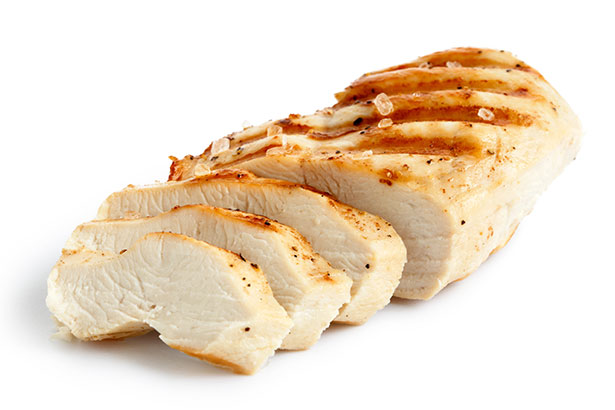
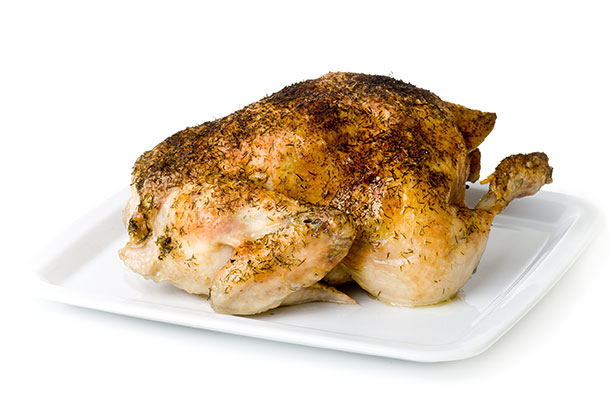
4. Chicken
Alongside beef and pork, chicken is one of the ‘big three’ popularity-wise.
However, chicken is a different classification of meat and comes under the poultry category.
People commonly refer to poultry as ‘white meat’.
As one of the most popular foods in the world, there are all sorts of chicken-based foods. These range from fried and roasted chicken to chicken soup and even chicken popcorn.
Nutrition Facts
Ground chicken meat provides the following nutrients per 100g (21);
Nutrient
Amount
Calories
143 kcal
Carbohydrate
0 g
Protein
17.4 g
Fat
8.1 g
– Saturated
2.3 g
– Monounsaturated
3.6 g
– Polyunsaturated
1.5 g
– Omega-3
96 mg
– Omega-6
1327 mg
Omega 6 to 3 Ratio
13.8 : 1
Vitamin A
0% DV
Vitamin C
0% DV
Vitamin D
–
Vitamin E
1% DV
Vitamin K
1% DV
Thiamin
7% DV
Riboflavin
14% DV
Niacin
22% DV
Vitamin B6
19% DV
Folate
1% DV
Vitamin B12
14% DV
Pantothenic Acid
11% DV
Calcium
1% DV
Iron
5% DV
Magnesium
5% DV
Phosphorus
18% DV
Potassium
15% DV
Sodium
3% DV
Zinc
10% DV
Copper
3% DV
Manganese
1% DV
Selenium
15% DV
Benefits
Chicken is very cheap and affordable.
For those who are trying to consume less fat/calories, chicken offers a smaller amount than other meats but with the same protein content. In other words, chicken is protein-dense.
Chicken stock/broth offers a significant source of gelatin. As chicken bones have a lower density than other meats, the collagen and gelatin are far easier to extract.
Chicken provides a decent source of necessary vitamins and minerals, particularly selenium, potassium, phosphorus and B vitamins.
Concerns
Unfortunately, bacterial contamination with strains such as E. coli and salmonella isn’t rare with chicken. As a result, strict hygiene procedures are necessary when handling raw meat (22, 23).
Turkey is another type of white meat, probably best known for its appearance at the Christmas table.
It has both a deeper yet drier taste than chicken and is a less prevalent form of poultry.
As mentioned above, the most popular kind is probably roast turkey, but you can find a variety of processed and unprocessed turkey products. One of the most popular of these is turkey bacon (see here for a full guide to turkey bacon).
Turkey is among the most protein-dense of all meats, offering 17.5 grams of protein for only 149 calories.
Similar to chicken, turkey also provides a significant amount of B vitamins, potassium, selenium and phosphorus.
Turkey provides an inexpensive source of high-quality protein.
Concerns
Similar to other forms of poultry, turkey is more likely to harbor foodborne bacteria than red meat (25).
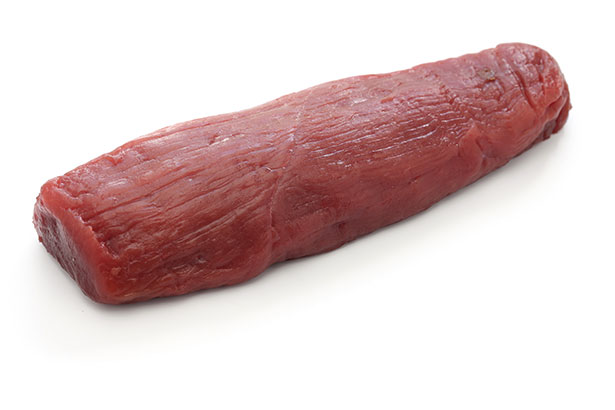
6. Venison
Venison refers to the flesh of a deer, and it is a traditionally rarer type of meat.
In recent years, sales of venison have been soaring as a result of its perceived healthy reputation among consumers.
But is that reputation justified?
Nutrition Facts
Despite being a red meat, venison is very lean. In terms of nutrition, it looks more like white meat.
Here are the nutritional details per 100g of ground venison (26);
Nutrient
Amount
Calories
157 kcal
Carbohydrate
0 g
Protein
21.8 g
Fat
7.1 g
– Saturated
3.4 g
– Monounsaturated
1.3 g
– Polyunsaturated
0.4 g
– Omega-3
104 mg
– Omega-6
225 mg
Omega 6 to 3 Ratio
2 : 1
Vitamin A
0% DV
Vitamin C
0% DV
Vitamin D
–
Vitamin E
2% DV
Vitamin K
1% DV
Thiamin
36% DV
Riboflavin
17% DV
Niacin
28% DV
Vitamin B6
23% DV
Folate
1% DV
Vitamin B12
31% DV
Pantothenic Acid
7% DV
Calcium
1% DV
Iron
16% DV
Magnesium
5% DV
Phosphorus
20% DV
Potassium
9% DV
Sodium
3% DV
Zinc
28% DV
Copper
7% DV
Manganese
1% DV
Selenium
14% DV
Benefits
As deer mostly live and feed in the wild, venison has a much lower fat (and omega-6 to omega-3 ratio) than other meat. The excellent omega 6 to 3 ratio stands at approximately 2:1.
Venison has more vitamins and minerals than beef despite having significantly fewer calories. In short, venison is possibly the most nutrient-dense meat out there.
Concerns
One obstacle could be the price; venison costs a lot. Expect to pay around $30 for one pound of venison steak.
Source is extremely important. In some areas, deer can be infected with chronic wasting disease (CWD). See this full guide to venison meat for more information.
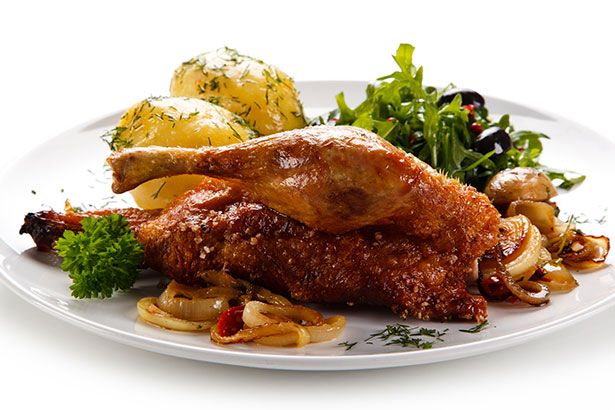
7. Duck
Duck is one of the less popular types of meat.
However, it has immense popularity in Chinese populations, where ‘Peking duck’ is a showpiece dish.
Like chicken and turkey, we can consider duck as a kind of white meat.
Nutrition Facts
Typical duck meat provides the following nutrients (27);
Nutrient
Amount
Calories
132 kcal
Carbohydrate
0 g
Protein
18.3 g
Fat
5.9 g
– Saturated
2.3 g
– Monounsaturated
1.5 g
– Polyunsaturated
0.7 g
– Omega-3
80 mg
– Omega-6
670 mg
Omega 6 to 3 Ratio
8.4 : 1
Vitamin A
2% DV
Vitamin C
10% DV
Vitamin D
–
Vitamin E
4% DV
Vitamin K
3% DV
Thiamin
24% DV
Riboflavin
0.5% DV
Niacin
5.3% DV
Vitamin B6
17% DV
Folate
6% DV
Vitamin B12
7% DV
Pantothenic Acid
16% DV
Calcium
1% DV
Iron
13% DV
Magnesium
5% DV
Phosphorus
20% DV
Potassium
8% DV
Sodium
3% DV
Zinc
13% DV
Copper
13% DV
Manganese
1% DV
Selenium
20% DV
Benefits
Duck provides a significant amount of selenium, phosphorus, and B vitamins. These vitamins are all important for optimal energy production and a well-functioning immune system (28, 29).
Concerns
Making duck at home—or having a roast duck—is perfectly healthy. However, be aware that in Chinese cuisine, duck often comes in sauces made from a variety of additives including sugars and oils.
8. Wild Boar
Wild boar is a non-domesticated pig that lives in the wild.
The meat of this animal is also known as ‘wild boar.’
Generally speaking, wild boar contains a higher proportion of protein and a smaller amount of fat than regular pork.
Nutrition Facts
Wild boar has very different nutritional values from domestic pork, and per 100 g it looks like this (30);
Nutrient
Amount
Calories
160 kcal
Carbohydrate
0 g
Protein
28.3 g
Fat
4.4 g
– Saturated
1.3 g
– Monounsaturated
1.7 g
– Polyunsaturated
0.6 g
– Omega-3
30 mg
– Omega-6
500 mg
Omega 6 to 3 Ratio
16.7 : 1
Vitamin A
0% DV
Vitamin C
0% DV
Vitamin D
–
Vitamin E
–
Vitamin K
2% DV
Thiamin
21% DV
Riboflavin
8% DV
Niacin
21% DV
Vitamin B6
21% DV
Folate
1% DV
Vitamin B12
12% DV
Pantothenic Acid
0% DV
Calcium
2% DV
Iron
6% DV
Magnesium
7% DV
Phosphorus
13% DV
Potassium
11% DV
Sodium
3% DV
Zinc
20% DV
Copper
3% DV
Manganese
0% DV
Selenium
19% DV
Benefits
As it lives and feeds in its natural environment, wild boar contains a higher proportion of omega-3 fatty acids than purely grain-fed pigs.
Wild boar contains an array of health-protective nutrients, in particularly B vitamins, selenium, and zinc.
Concerns
Trichinella spiralis, a parasite sometimes found in pigs, occasionally contaminates wild boar meat. There have been several outbreaks of this in recent years, but it is quite rare (31, 32, 33).
9. Bison
Bison is a type of red meat that is nutritious and very lean.
For this reason, it is an excellent choice of meat for anyone looking to keep their fat or calorie intake a little lower.
Nutrition Facts
Bison is quite nutrient-dense and offers the following nutrition profile per 100 grams (34);
Nutrient
Amount
Calories
146 kcal
Carbohydrate
0 g
Protein
20.2 g
Fat
7.2 g
– Saturated
2.9 g
– Monounsaturated
2.8 g
– Polyunsaturated
0.3 g
– Omega-3
38 mg
– Omega-6
261 mg
Omega 6 to 3 Ratio
6.9 : 1
Vitamin A
0% DV
Vitamin C
0% DV
Vitamin D
–
Vitamin E
1% DV
Vitamin K
1% DV
Thiamin
9% DV
Riboflavin
14% DV
Niacin
27% DV
Vitamin B6
19% DV
Folate
3% DV
Vitamin B12
32% DV
Pantothenic Acid
0% DV
Calcium
1% DV
Iron
15% DV
Magnesium
5% DV
Phosphorus
19% DV
Potassium
9% DV
Sodium
3% DV
Zinc
31% DV
Copper
7% DV
Manganese
0% DV
Selenium
29% DV
Benefits
Although the above data is for conventionally raised animals, grass-fed bison can be very high in omega-3.
Bison offers a wide range of nutrients for very few calories.
Bison is very expensive compared to other types of red meat, making it unaffordable for some people.
10. Goose
Goose is a type of poultry that comes under the ‘white meat’ banner, and it is particularly popular throughout China, Europe, and the Middle East.
Nutrition Facts
Goose meat offers good nutritional value, and it provides the following nutrients per 100 grams (35);
Nutrient
Amount
Calories
161 kcal
Carbohydrate
0 g
Protein
22.8 g
Fat
7.1 g
– Saturated
2.8 g
– Monounsaturated
1.9 g
– Polyunsaturated
0.9 g
– Omega-3
100 mg
– Omega-6
800 mg
Omega 6 to 3 Ratio
8 : 1
Vitamin A
1% DV
Vitamin C
0% DV
Vitamin D
–
Vitamin E
–
Vitamin K
–
Thiamin
9% DV
Riboflavin
22% DV
Niacin
21% DV
Vitamin B6
32% DV
Folate
8% DV
Vitamin B12
8% DV
Pantothenic Acid
20% DV
Calcium
1% DV
Iron
14% DV
Magnesium
6% DV
Phosphorus
31% DV
Potassium
12% DV
Sodium
4% DV
Zinc
16% DV
Copper
15% DV
Manganese
1% DV
Selenium
24% DV
Benefits
Goose meat is a rich source of many nutrients, and it is particularly high in vitamin B6, phosphorus, and selenium.
Similar to other poultry options, goose meat (without skin) is very protein-dense.
Concerns
Depending on location, it can be difficult to find goose meat for sale.
Sometimes wild geese can be susceptible to infections that can be transmittable to humans (by touch). However, this should not be an issue with goose meat bought from a store. Also, like with other poultry, cooking will kill any bacteria present (36).
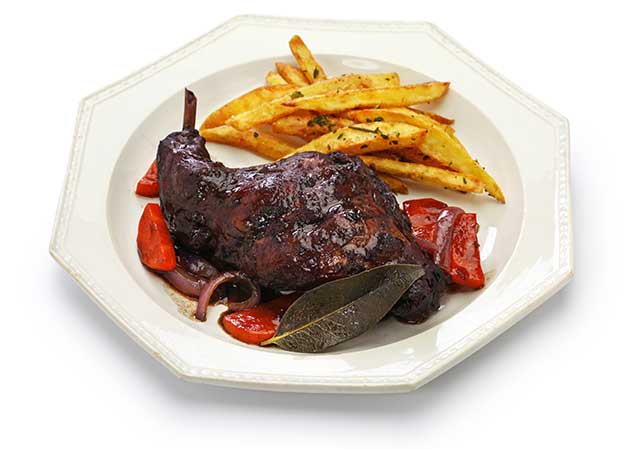
Although the idea of rabbit as food can seem strange, it is a common type of meat in some parts of Europe and the United States (and China).
Rabbit is very popular in France where it is considered to be a delicacy.
Nutrition Facts
Rabbit meat is surprisingly nutrient-dense, and it offers the following nutrition profile per 100 grams (37);
Nutrient
Amount
Calories
136 kcal
Carbohydrate
0 g
Protein
20.0 g
Fat
5.5 g
– Saturated
1.7 g
– Monounsaturated
1.5 g
– Polyunsaturated
1.1 g
– Omega-3
220 mg
– Omega-6
860 mg
Omega 6 to 3 Ratio
3.9 : 1
Vitamin A
0% DV
Vitamin C
0% DV
Vitamin D
–
Vitamin E
–
Vitamin K
–
Thiamin
7% DV
Riboflavin
9% DV
Niacin
36% DV
Vitamin B6
25% DV
Folate
2% DV
Vitamin B12
119% DV
Pantothenic Acid
8% DV
Calcium
1% DV
Iron
9% DV
Magnesium
5% DV
Phosphorus
21% DV
Potassium
9% DV
Sodium
2% DV
Zinc
7% DV
Copper
7% DV
Manganese
1% DV
Selenium
34% DV
Benefits
Rabbit is a substantial source of vitamin B12 and it is also very high in selenium.
Although it is not as high in protein as some kinds of meat, rabbit is very low in fat and calories. As a result, it is very protein-dense; 20 grams of protein per 136 calories.
Rabbit offers one of the better omega-6 to 3 ratios among meat.
Concerns
Wild rabbits are occasionally infected with a pathogen known as tularemia. It is possible for undercooked rabbit meat to transmit this infection (38).
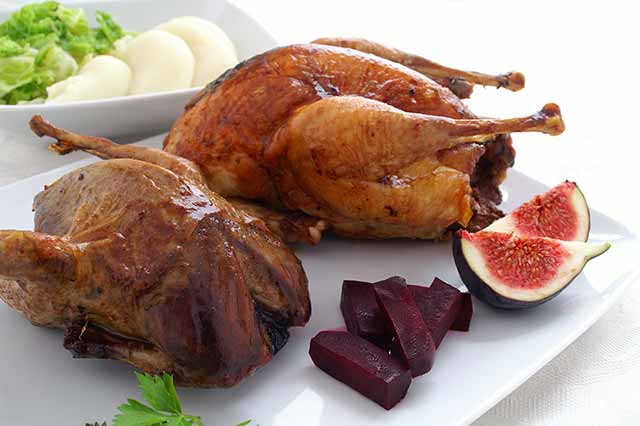
12. Pheasant
Pheasant is thought to be a ‘premium’ meat product thanks to its flavorful taste, and the meat is popular across Europe and the United States.
Nutrition Facts
Pheasant offers an impressive nutrition profile, and it contains the following nutrients per 100 grams (39);
Nutrient
Amount
Calories
181 kcal
Carbohydrate
0 g
Protein
22.7 g
Fat
9.3 g
– Saturated
2.7 g
– Monounsaturated
4.3 g
– Polyunsaturated
1.2 g
– Omega-3
100 mg
– Omega-6
810 mg
Omega 6 to 3 Ratio
8 : 1
Vitamin A
4% DV
Vitamin C
0% DV
Vitamin D
–
Vitamin E
–
Vitamin K
–
Thiamin
5% DV
Riboflavin
8% DV
Niacin
32% DV
Vitamin B6
33% DV
Folate
1% DV
Vitamin B12
13% DV
Pantothenic Acid
9% DV
Calcium
1% DV
Iron
6% DV
Magnesium
5% DV
Phosphorus
21% DV
Potassium
7% DV
Sodium
2% DV
Zinc
6% DV
Copper
3% DV
Manganese
1% DV
Selenium
22% DV
Benefits
Pheasant is an excellent source of B vitamins, and it is particularly high in these nutritions compared to other varieties of poultry.
Pheasant need space and they are usually wild or from ‘free range’ farms where they have access to pasture.
Concerns
There are no specific concerns about pheasant meat. However, like all poultry, it should be cooked fully to minimize the risk of food poisoning.
13. Goat Meat
Goat meat is an extremely popular type of meat in some countries, particularly so in developing countries within Africa and Asia.
However, it is relatively uncommon in other countries, such as the United States.
Goat meat offers the following nutrients per 100 grams (40):
Nutrient
Amount
Calories
143 kcal
Carbohydrate
0 g
Protein
27.1 g
Fat
3.03 g
– Saturated
0.93 g
– Monounsaturated
1.36 g
– Polyunsaturated
0.23 g
– Omega-3
20 mg
– Omega-6
130 mg
Omega 6 to 3 Ratio
6.5 : 1
Vitamin A
0% DV
Vitamin C
0% DV
Vitamin D
0% DV
Vitamin E
2% DV
Vitamin K
1% DV
Thiamin
8% DV
Riboflavin
47% DV
Niacin
25% DV
Vitamin B6
0% DV
Folate
1% DV
Vitamin B12
50% DV
Calcium
1% DV
Iron
21% DV
Magnesium
0% DV
Phosphorus
16% DV
Potassium
9% DV
Sodium
4% DV
Zinc
48% DV
Copper
34% DV
Manganese
2% DV
Selenium
22% DV
Benefits
Goat meat is a rich source of B vitamins and several important minerals.
Goat meat offers good amounts of protein for a low amount of calories.
Concerns
It can be difficult to find goat meat in stores for a reasonable price.
For a complete guide to goat meat and its nutritional properties, see this article:
One of the biggest ‘health trends’ over the past decade is the focus on naturally raised, grass-fed beef and pastured animal products.
Animal welfare is one of the often mentioned reasons for this. However, many people have also taken an interest in the better 6 to 3 ratio of the meat.
The main reason for this seems to be because most of us are consuming excessive amounts of omega-6 in recent times.
For example, the traditional human diet was believed to have a ratio of close to 1:1 omega-6 to omega-3. However, modern-day estimates place this ratio up to a high of 25:1 (41).
For easy reference, here are the approximate omega-6 to 3 ratios for the meats in this article;
Type of Meat
Omega-6 to Omega-3 Ratio
Beef
9 : 1
Chicken
13.8 : 1
Duck
8.4 : 1
Lamb and Mutton
3.2 : 1
Pork
23.8 : 1
Turkey
16.3 : 1
Venison
2 : 1
Wild Boar
16.7 : 1
Bison
6.9 : 1
Goose
8 : 1
Rabbit
3.9 : 1
Pheasant
8 : 1
Goat Meat
6.5 : 1
Please note: to ensure balance, this data is for conventional meats, and you can expect a better ratio for fully grass-fed meat.
The fatty acid ratios of meat will also vary depending on what producers feed the animals.
Which Type of Meat is Healthiest?
To be honest, there is no single meat that is outright ‘healthier’ than another.
There are a variety of factors to consider which include the nutrient profile, taste, and affordability.
However, it is often a good idea to mix and match food choices, which can help to attain a greater range of nutrients.
It is also not essential to eat meat, and many of the nutrients it contains can be obtained elsewhere from seafood or dairy.
Organ Meat
Organ meats are among the most nutrient-dense of all foods.
Although they are not as popular as they once were, foods like beef liver and kidneys are full of essential nutrients.
When you know of someone who thinks like this and do not speak out against such sick thoughts, YOU are silently telling them you agree with their behaviors. An individual cannot, I repeat cannot, change the color of their skin.
It is inhumane to treat them poorly based on something they ABSOLUTELY have no way to change. To not challenge a person and make them THINK about this and point out how SICK they have to be to in order to hate an individual for having a broken nose, no left leg, being white.
Oh….. I did hit a nerve?!? Now, you’re getting it…
If it’s something you, in their shoes, cannot choose to change yourself (race, gender, sexuality, etc), simply be a better human being and STOP judging others! Focus on YOUR OWN SELF. If you hate you, well here’s your wake up call and try to learn to care instead.
A sprawling Dallas suburb is one of the happiest places in the country, according to a new study.
SmartAsset set out to find where Americans are happiest, and the financial technology firm concluded that Plano is the nation’s second-happiest, just behind Arlington, Virginia.
No other Texas cities cracked the top 25. The closest is Fort Worth at No. 38, and Arlington is the 47th happiest place. Dallas is downright morose at the 11th least happy city in the country. Houston is even sadder as the 10th least happy city.
What gives? SmartAsset evaluated cities by 11 variables in personal finance, well being and quality of life. Measures included the marriage rate, average traffic volume, percent of households earning more than $100,000, share of residents below the poverty line, life expectancy and number of residents who report being physically inactive.
“Money can’t always buy happiness,” SmartAsset wrote. “However, quality of life can influence your financial decisions and outcomes.”
Plano scored exceptionally well across the board. More than 52% of its households earn more than $100,000, and only 4.9% live below the poverty line, which is $31,200 for a family of four. In 2022, the median household income in Plano was about $105,000, according to the U.S. Census.
Compare that to Laredo, called the second-least happy city in the country, where only 26% of households earn more than $100,000 and 20% live below the poverty line. The median household income in 2022 was roughly $60,000.
Plano’s life expectancy is 82.2, compared to 78.3 in Dallas. The suburb’s marriage rate is 56%, significantly higher than Dallas’ 39.7%. Roughly 90% of Plano residents have health insurance compared to only 74% in Laredo.
If you’re looking for the happiest state, though, you’ll have to head to California, where three of its cities landed in the top 10.
Posted on https://www.dallasnews.com/news/public-health/2024/04/12/study-plano-the-2nd-happiest-city-in-the-country-while-dallas-checks-in-near-the-bottom/
on 10:18 AM on Apr 12, 2024 CDT
By Sarah Bahari, Staff writer. Sarah Bahari is a trending news reporter. She previously worked as a writer for the Fort Worth Star-Telegram, where she covered a bit of everything. sarah.bahari@dallasnews.com Twitter: sarahbfw
Human consumption of meat goes way, way back, long before anyone was keeping count—or before pescetarian-except-for-bacon-at-brunch was a thing.
What Is Meat?
In Old English, the word meat (“mete”) was a general blanket term for food. These days, the definition of meat most commonly refers to the edible flesh of an animal, though you could also use it when describing the edible part of a plant, like coconut meat or nut meat. The meat industry is one of the largest in the world, and according to the USDA, the United States is the largest producer of beef.
Three Main Meat Categories: Is Fish Meat?
Though pescetarianism has emerged as one of the more popular dietary choices, eating fish can technically be considered eating meat.
1. Red Meat: All livestock is considered red meat. This includes beef, pork, goat, and lamb.
2. Poultry: Commonly referred to as white meat, poultry includes chicken and turkey.
3. Seafood: That includes fish, as well as crustaceans, like crab and lobster, and molluscs, like clams, oysters, scallops, and mussels.
Is Eating Meat Healthy?
As with most things, meat becomes unhealthy when you eat too much of it. Red meat has been shown to be especially risky when it comes to things like heart disease and cancer, but animal protein has many benefits when ingested in small quantities. Its primary benefit is, of course, protein, along with its stores of essential amino acids and collagen. Most meats contain high levels of vitamin B12, B6, K, as well as zinc and iron. Depending on the animal and how it was raised, fat content varies, but is relatively low. Happy, fit animals will yield leaner and more tender muscle tissue.
There are other factors that contribute to whether different kinds of meat are healthy for consumption or pose a health risk. Overly processed meat products can be full of unhealthy chemicals and preservatives. Grass-fed beef is always healthier than grain-fed beef. Each type of meat and animal product has an internal temperature it should meat by the end of cooking to meet food safety standards, as consuming raw meat can be very dangerous.
10 Different Types of Meat: Nutritional Benefits, Concerns, Ways to Eat Each
Pork: High in vitamin B1 as well as omega-6 fatty acids, pork is one of the world’s most popular types of meat. From Italian sausage to barbecued pork ribs to bacon, pork is easy to prepare and incredibly flavorful. For an easy weeknight dinner, quick brinepork chops before you sear them off in a cast-iron skillet. Serve with apple mostarda and grits.
Beef: From a prehistoric looking T-bone steak to your average ballpark hot dogs and beef jerky, beef is a delicacy best enjoyed sparingly. It shares a main fatty acid with none other than olive oil—oleic acid. Ground beef makes for quick and easy burgers: combine the meat with egg, onions, salt, and spices or flavorings of your choice (think Worcestershire sauce and powdered garlic) and form the mixture into patties. Grill for a few minutes on either side and pair with your favorite burger toppings.
Lamb: Lamb is categorized as meat from a young sheep under a year old. While lamb tends to be on the more expensive side of the different meats, it’s also thought to be one of the healthiest, with good levels of nutrients. Sear a rack of lamb in a cast-iron skillet before basting in garlic butter and finishing in a 375°F oven for 5 minutes.
Goat: A slightly tough muscular composition makes goat a popular addition to stews and braises, where a low and slow cooking technique can best break down the fats and infuse the meat with flavor.
Chicken: Chicken meat is high and protein and low in fat, which varies in white and dark meat. Boneless, skinless chicken breast meat is one of the only types of meat that doesn’t contain saturated fat. A roasted chicken is one of life’s simplest pleasures. Brush the chicken with clarified butter and season all sides with salt, then roast at 475°F for 20–25 minutes. Reduce heat to 400°F and continue to roast another 30-45 minutes, until thighs and center of the chicken breast registers 160°F and the juices run clear. Let rest at least 20 minutes before carving.
Turkey: King of the holiday table and the deli meat aisle, turkey is a mild white meat with a reputation for being tricky to prepare without drying out. It’s a prime candidate for the brining-roasting one-two punch.
Duck: Duck meat generally refers to the breast and legs of the bird, though the liver is also enjoyed as foie gras. Ducks have a layer of fat between the outer skin and meat (primarily to insulate in water environments), giving it extra rendering power for soaking the meat with flavor as it cooks. Braised duck legs, in anything from red wine to an aromatic stock, will infuse the meat with even more flavor and fall-off-the-bone texture. Throw it in the fridge to cool, and crisp it up in the oven once the skin has set.
Rabbit: Nutrient-dense rabbit is especially popular in France and the United Kingdom. It’s meat is high in B12 and selenium, and is relatively low in calories compared to its protein levels. Rabbit is traditionally stewed or fried.
Seafood: Seafood is a massive and popular category, including everything from fish to crustaceans to shellfish. The nutritional value of seafood is incredibly vast and depends on the species, but it is generally thought to be the best form of protein for those looking to maintain a healthy diet, thanks to its high levels of omega 3s. Steam shellfish and add to pasta, or grill cleaned fish whole over the grill and serve with an herb salad and preserved lemon.
Game Meats: This category includes everything from pheasant to venison to wild boar—meats that are not typically found in a grocery store, though you may find them in some specialty meat markets. Generally these meats are quite lean, since they are caught in the wild and eat varied, natural diets. Because they’re not farmed, game meats are among the more expensive options. Their tougher muscle structures benefit especially well from braising.
:max_bytes(150000):strip_icc()/102328482_preview-2000-3e55a5cf5013436083dc80b79883a93b.jpg)
:max_bytes(150000):strip_icc()/CD_26900_preview-9048c22930db4831bcfebce17e6151ce.jpg)





/cloudfront-us-east-1.images.arcpublishing.com/dmn/YRNVTRYE6JEGRGLBYSWPZEBLTE.JPG)
