Please call Environmental Waste Services Customer Service at 972-769-4150 to schedule a free chemical collection at least 24 hours prior to your scheduled household chemical collection day. The collection will be scheduled for the next available date. Household chemical collections are scheduled by zip code. Learn more about scheduling and collection criteria.
Chemical Reuse Center
The City of Plano Environmental Waste Services division operates a Household Chemical Reuse Center where Plano residents may obtain reusable household products, collected through the residential chemical collection program, and approved for reuse, for free.
I am looking for an electric company or electrician that is excellent, honest and reliable to do an entire inspection of my electrical wiring in my house. I have some outlets that don’t work, but my house was built in 1981 and I feel it needs to be check out for safety purposes. Any recommendations?
Chris Bible with City Squad Electrical is AMAZING! he is so honest and will tell you if you don’t need to fix something. We have been using him for 10 years. Very good prices and great reviews too. (214) 415-4549
Renovating a kitchen is kind of like getting a tattoo. It can be painful while it’s happening, but the end result is so worth it that you forget the bad parts. I’ve done three total-tear-out kitchen renovations in the last five years (plus three more non-gut-job remodels in the last six), with another one currently underway in a sagging Victorian I’ve been fixing up with a friend. We had to sit tight for a few weeks after demolition day while we lined up financing, so that gave me some time to think about what I’ve learned in those renovations that I can put to work on this one.
For more content like this followHOW TO
First, a quick look at the from-scratch operations. First was the attic kitchen in my Airbnb where I turned the former hoarder’s space into a vintage-vibed, cute and cozy space for travelers. Then I did a dramatic do-over of the kitchen in my own home, transforming a cramped space in Crayola colors to a glam, black-walled space I’ve been happy to cook in for the last two years. And in 2020 I flipped my first house, swapping a dated and dirty kitchen for a clean, bright space that helped me get an immediate full asking price offer.
What hard-won wisdom am I taking to my newest project?
1. You can do it on a budget (with some work and some compromises).
Kitchen renos are notoriously expensive. And it can be so very easy to decimate any sort of budget. Ooooh, pretty tiles! Oh, fancy appliances! And wait, look at that yummy countertop! It adds up so (so) fast. But I had a very limited budget on the Airbnb and the flip house, and a smaller than average (and strict!) budget on my own kitchen, and I managed to stick to budget every time. It takes effort — price comparisons, shopping deals online and off — but that effort pays off when you score amazing bargains. And for every splurge there has to be a counterbalance (thrift and vintage go a long way on that front).
Is the brass faucet in my home kitchen gorgeous? Yes. Would I do the touch-sensor option again? Never ever. It sounded good — never have to touch raw poultry and then your faucet again. But guess what? When the batteries die, you can’t turn on your faucet. Guess when that happens? The absolute worst times (think: sink full of dirty dishes). It’s also confusing to guests and just generally an annoyance. Before I ever buy tech for the sake of tech again, I’ll spend some time thinking about just how useful it actually is.
3. You need a statement piece.
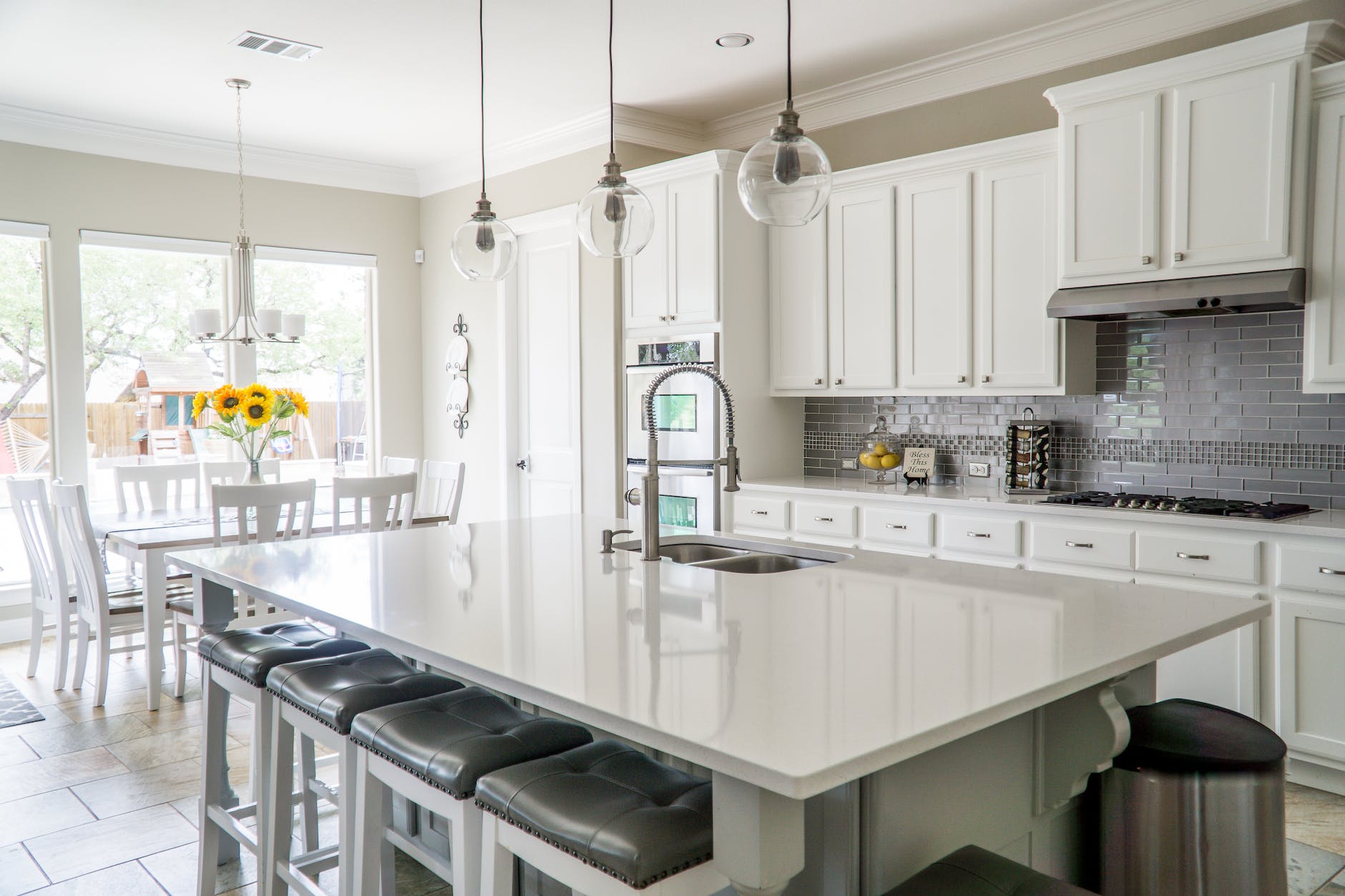
Every kitchen needs a star. In my home it was the Ferrari red Bertazzoni range I was lucky enough to find at a steep discount. For the Airbnb it was also a stove, but a vintage 1940s Florence that took four people to carry up the stairs. Both these pieces add serious punch to the kitchens. I was missing that in the flip kitchen, and while it turned out well, if I could do it over, I’d definitely have something with some sizzle. For my current project my friend and I are eyeing an amazing quartzite counter for the island that will make an immediate impression.
4. Always (always) scope out reviews on big-ticket items.
I loved, loved, loved the black stainless look for appliances, but didn’t do my homework. (Why? Maybe I didn’t want to give myself a reason to not make the purchase when I found it for half price online.) And I really wish I had. It scratches if you so much as look at it wrong, and I’m not the only one to regret this purchase. If I’d spent some time reading about black stainless, I would have gone a different route that would have saved some grief!
5. Don’t cheap out on the flooring.
It’s so hard, because you can’t splurge on everything. But I made the mistake of shaving costs with a few-cents-per-square-foot vinyl tile when we redid the Airbnb kitchen. And real (!) fast (!) we saw why it was so cheap. Several years later I’m still living with it and still regretting it. Kitchen floors take a beating, and cheap material is definitely one of those penny-wise-pound-foolish purchases. Sure, we saved money in the short term, but the floor is in need of replacing now — and it’s going to be a lot more annoying to redo now versus if we had just done it right during the full-blown renovation. If I could go back in time I’d have figured out a way to get a more durable flooring.
6. There’s no such thing as being too clear and specific with instructions.
We were incredibly fortunate to find original hardwood flooring under the tile of our home’s kitchen on demo day, so when the universe gifted us that, we opted to refinish the floor instead of re-tile it. Some areas needed patching, though, so the floor refinishing crew said they could pull pieces from the area where the island would go. I outlined the island with painter’s tape on the floor to help with the layout planning, but didn’t think to tell them that included the countertop. They cut it ALL out, leaving a gaping hole several feet wide and the length of the island. The patch job is less than ideal, and I could have prevented the issue by specifying exactly how much floor they would have access to. Lesson learned: Go overboard with details in any project scope or instructions.
Looking to spruce up your garden or balcony, but unsure which plants are safe for dogs? We’ve done some of the legwork for you with this list of 15 dog-safe plants and garden favorites that will add beauty and color to your yard without posing any threat to your pup.
Keep in mind the varieties on this list are specific—for example, while African daisies may be harmless to dogs, other varieties of daisies are considered toxic. If you’re interested in learning about what plants are poisonous to cats, or about other plants not on this list that may be poisonous to pets, check out our guide Poisonous Plants to Dogs and Cats.
15 Dog-Safe Plants for Color, Variety, and Fragrance
Many of these dog-safe plants are available at your local home and garden or hardware store as seeds, starts, or potted plants. You can also find good deals on seeds online at Burpee, Amazon, and other gardening sites.
These flowering shrubs take some work to establish, but once they’re firmly rooted in your garden, they’ll keep coming back each year with little effort.
Camellias prefer partial shade, and mature plants are able to survive with little watering. If the plant is brand new, it will require some watering to establish its roots.Find on Amazon
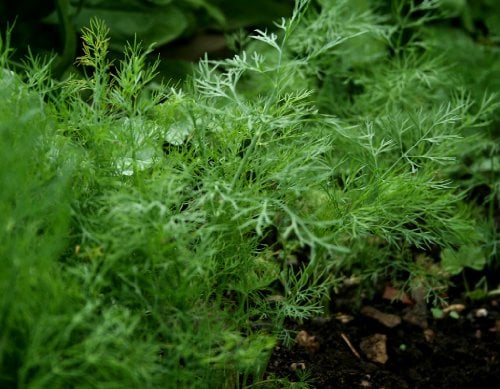
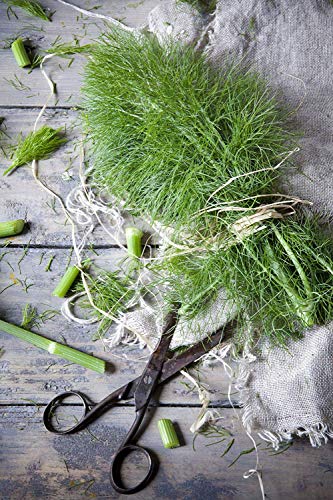
Culinary dill is obviously safe for humans, but this feathery weed is also a dog-safe plant. This herb goes well in creamy dressings, soups, and meats. Just make sure you give it plenty of room to grow—these plants get bigger than you would expect.Find on Amazon
These flowers aren’t just beautiful—they also help bring bees to your garden and act as a form of natural pest control that can deter beetles and other harmful bugs from infesting your edible plants. Their stunning, sun-like blooms aren’t too bad either. A dog-safe plant that’s a win-win all around!Find on Amazon
These elegant pink and purple flowers look great in hanging baskets outdoors. They do best in mild, temperate climates like the Pacific Northwest, and they can remain in bloom from late spring to late fall.Find on Amazon
Most people think of large, stately trees when they picture magnolias, but this dog-safe plant also grows as a bush. Most magnolia bushes offer spectacular flowers in purple, pink, or white. They do well in full sun if you can give it to them.Find on Amazon
This gorgeous variety of basil whips up into a delicious (purple) pesto and also brings stunning color to your garden beds. Plant these guys after all chance of frost is over, and give them plenty of water and a place in the sun. Cut and eat what you want, and you and your dog can enjoy it in the garden until the first frost of the year.Find on Amazon
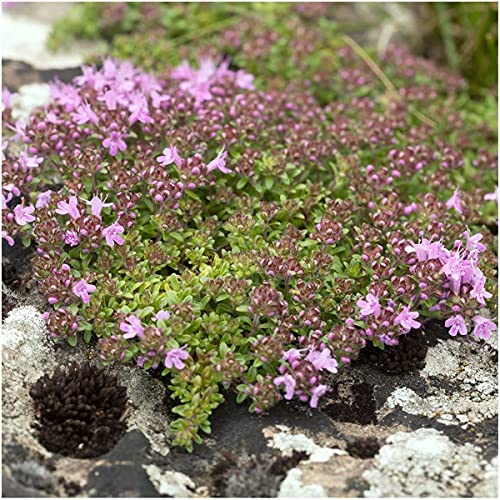
Another practical herb that won’t harm your pets, thyme is a perennial plant that doesn’t need a lot of attention and is a great ground cover. Just a little water and sun, and it’s good to go. This herb pairs well with roasted vegetables, meat, soups, and potatoes.Find on Amazon
Sunflowers are the epitome of summer. This annual plant is available in a huge range of sizes and colors. These dog-safe plants can grow several feet tall, make a great border along fences or in front of the house, and love a sunny spot with plenty of water. As sunflowers lose their bright petals, the seeds mature and attract birds through the fall.Find on Amazon
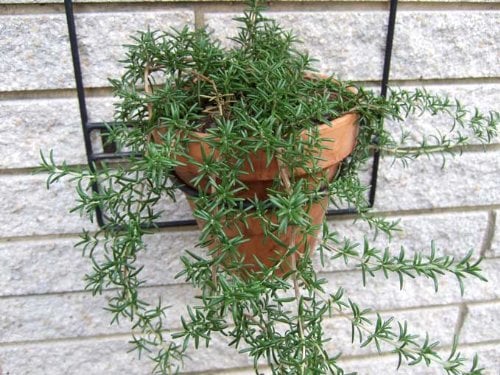
All rosemary is suitable for culinary use and is considered a dog-safe plant, but a creeping variety is a hardy way to fill empty spaces in your yard with a low, fluffy cloud of evergreen. The trailing stems look especially beautiful cascading over the edge of a raised bed or container. This sun-loving ground cover will release a waft of scent whenever your dog scampers through.Find on Amazon
Coral bells grow low mounds of leaves in a range of shades from green to orange to black, with small sprigs of tiny flowers on long stems waving far above. There are many varieties to choose from, but this variegated variety is a real stunner.Find on Amazon
Pineapple sage smells amazing, attracts hummingbirds with its pink tubular flowers, and is a tasty addition to everything from fruit salads and salsas to sangria. It’s generally considered an annual but may come back in spring if your winter is mild enough.Find on Amazon
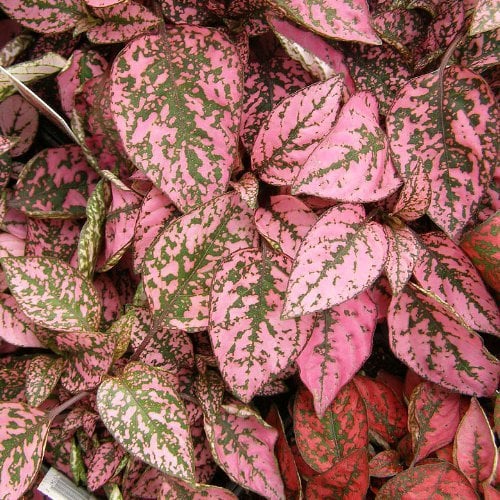
This low-growing, shade-loving, dog-safe plant adds a splash of pink all summer long. It’s perennial in warm climates and even makes for a nice houseplant.Find on Amazon
This tasty bulb has beautiful feathery foliage and the flavor of licorice. While it’s safe for dogs, it’s even better for humans: it’s delicious grilled and makes a fragrant addition to salads. The seeds are a great breath freshener and make a soothing tea.Find on Amazon
Everyone loves a sunny snapdragon patch. These dog-safe plants are easy to grow from seed in full sun, and produce a range of colors from yellow to red on tall stems. They make great cut flower arrangements too.Find on Amazon
Nasturtiums are my favorite annual flowers to grow for a few reasons. The flowers are edible and have a surprising spicy flavor. Nasturtiums grow in poorer soils and they do not need fertilizers, so you can plant them in the odd spots in your yard. They drape down garden boxes and rock walls with colorful elegance, and they smell like heaven.Find on Amazon
No matter how you garden, whether it’s in a big, beautiful backyard or on a sunny windowsill, we hope it’s always relaxing for you and safe for your pets. Happy planting!
Which Plants Aren’t Dog-Safe?
Now that you have 15 great options for your garden, you may be wondering if the plants you already have in your yard or home are safe for your furry friend. Never fear! We compiled a series of region-specific lists that look at common wild and landscaping plants dangerous for dogs in the U.S.
Kiki Kane is a canine chef, professional blogger, and lifelong animal lover owned by a Frenchie-Boston mix named Bea Pickles and a geriatric kitty named Mogwai. As a dog chef and member of Rover’s Dog People Panel, she creates original dog-friendly recipes for the web series Kiki’s Canine Kitchen.
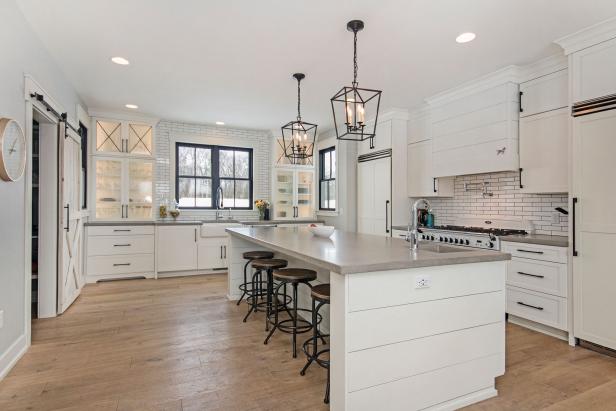
You might think concrete is better suited for sidewalks, but the truth is that one-of-a-kind concrete kitchen countertops can create a unique cooking space. Concrete countertops work well in kitchens ranging from modern to rustic, making them a versatile option for a number of kitchen designs.
Concrete can be formed with an “organic,” natural feel, with a down-to-earth quality that is not common to stainless steel, laminate or other synthetic countertops. Each concrete countertop is handmade. If you know how to stain concrete, the countertop can incorporate almost any color. Textures, and even patterned imprints like floral designs, can also be added. Concrete countertops can also be embedded with stones, seashells and other items that appeal to you.
These countertops are also fairly eco-friendly, making them an appealing choice to homeowners focused on environmental issues. Concrete countertops can even incorporate recycled glass, wood chips and other repurposed materials.
Maintenance is fairly easy; concrete countertops should be waxed every six months and sealed annually. Certain food and drink products, like lemon juice, wine, ketchup and other dye-heavy items can stain concrete countertops, so be sure to clean spills immediately to avoid staining.





 BY
BY